The Origins of Royal Collection Jewellery: Enduring Treasures Fit for Royalty
The origins of regal jewelry collections discloses a narrative rich with artistry and power. Across many centuries, these items have evolved, capturing cultural movements and developing tastes. Each adornment carries layers of meaning, from intricate designs to the materials used. Understanding their significance invites a deeper exploration of the skill and symbolism that distinguish these legendary pieces. What forces have defined these enduring masterpieces, and which individuals played a key role in their development?
In What Ways Did Royal Jewelry Develop Over the Centuries?
As royal dynasties thrived across the ages, the evolution of royal jewelry reflected both cultural shifts and advancements in craftsmanship. Initially, royal adornments were simple, often made from local materials like wood and stone, symbolizing status and power. As trade routes expanded, precious metals and gemstones became accessible, leading to intricate designs that showcased skillful artistry.
The Renaissance signified a significant transformation, with elaborate pieces that combined symbolic elements and narrative themes, commonly echoing the political environment. During the 18th century, grandeur shaped royal adornments, with elaborate settings and innovative techniques emerging. The Victorian era introduced sentimental jewelry, incorporating significant emblems that communicated intimate accounts.
In the present era, royal jewelry has adapted to modern design sensibilities while honoring profound cultural heritage. Today, it serves as more than just a symbol of authority but also as a bond uniting historical roots with current expressions, demonstrating the lasting heritage of artisanal skill and cultural heritage.
What Makes Iconic Royal Jewelry Pieces Special
Iconic royal jewelry pieces stand out not only for their exquisite artistry but also for the deep historical significance and symbolism they represent. Every item often serves as a embodiment of the monarchical legacy, representing authority, distinction, and cultural significance. The distinctive designs regularly incorporate specific gemstones and motifs that capture notable milestones or individual histories associated with royal figures. As an example, certain pieces may commemorate royal weddings or function as cherished inheritances carried through generations, amplifying their personal and historical worth.
Additionally, these treasures are often decorated with meticulous artistry that showcase artistic innovation and the skills of distinguished jewelers. The scarcity of the elements utilized, such as scarce diamonds or extraordinary gemstones, enhances their mystique. At their core, timeless royal jewels goes beyond simple decoration; it encompasses heritage, significance, and the perpetual legacy of the noble figures who adorned themselves with it, making each piece a meaningful relic of its time.
What Are the Common Craftsmanship Techniques Used in Royal Jewelry?
Within royal jewelry, time-honored handcrafting techniques serve a vital role in crafting pieces of outstanding quality. These techniques often involve intricate gemstone setting, guaranteeing that every stone is positioned with accuracy and dedication. Such craftsmanship not only enhances the aesthetic appeal but also lends to the historical legacy of these cherished creations.
Classic Handcrafting Techniques
Many royal jewelry pieces are recognized for their remarkable craftsmanship, showcasing a blend of classic handcrafting methods that have been preserved across generations. Craftsmen use techniques such as filigree, where intricate threads of metal are shaped and fused to create intricate designs. An additional popular approach is cloisonné, which involves the use of fine metal wires to form compartments filled with precious stones or enamel. Moreover, hand engraving adds unique details and textures, showcasing the expertise of the artisan. The use of the lost-wax casting method allows for the creation of detailed and unique gold designs. Every creation represents the devotion to the art, ensuring that imperial jewelry remains everlasting, embodying the legacy and tradition of the skilled work that created it.
Intricate Gemstone Setting
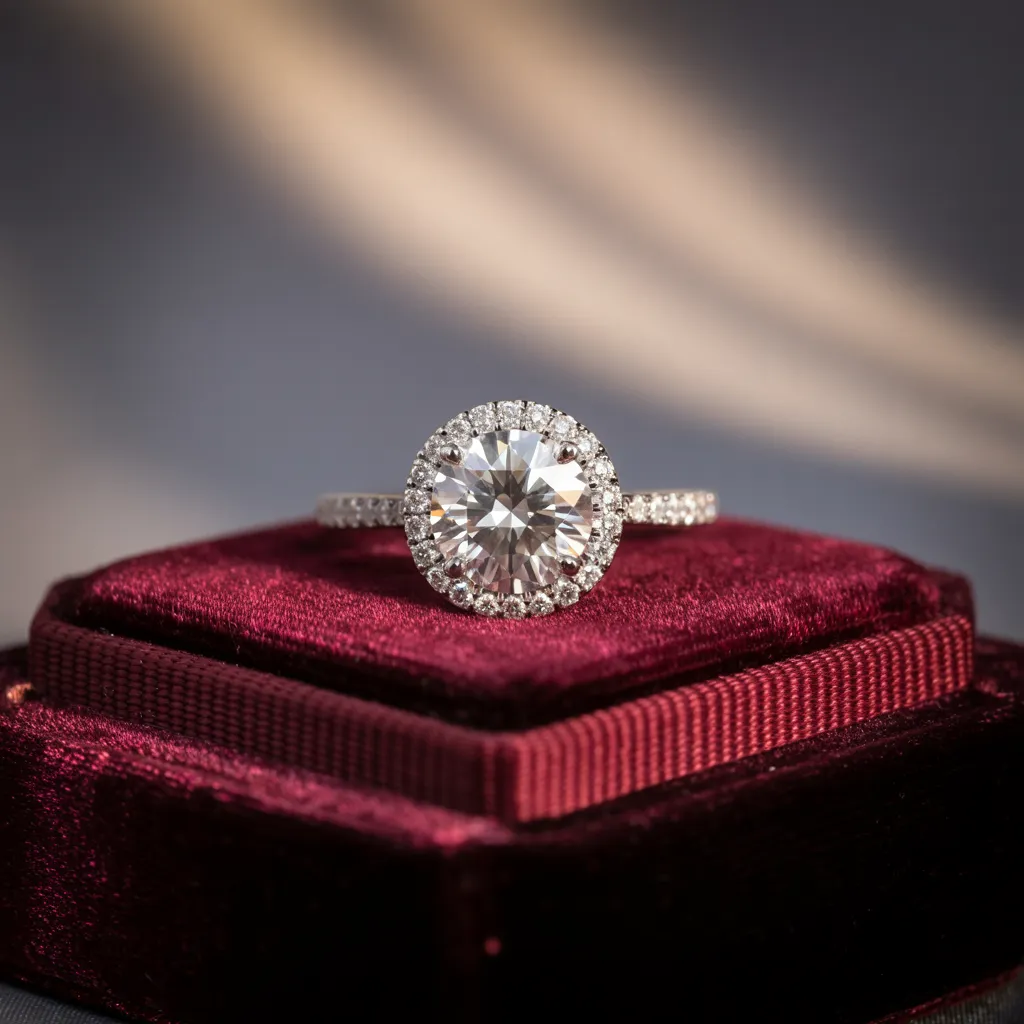
A wide array of techniques define the practice of intricate gemstone setting in fine royal pieces, raising every creation to a standard of unparalleled sophistication. Within these methods, the claw setting is widely used, where metal tines grip stones while optimizing light reflection. The collar setting, surrounding the stone in a metal border, delivers a refined and polished appearance. Additionally, pavé techniques produce a glistening effect by setting tiny gems in close proximity. Royal artisans often employ the method of invisible stone placement, creating a flawless visual effect that showcases their radiance. In addition, meticulous attention is given to jewel arrangement and proportion, ensuring that each design reflects elegance and balance. These skilled approaches strengthen the lasting charm of regal adornments, enchanting admirers through generations.
What Symbolism Can Be Found in Royal Jewelry
What hidden symbolism exists within the intricate designs of regal jewels? Each item commonly acts as a tangible embodiment of strength, allegiance, and tradition. Symbols such as crowns or scepters evoke dominion and leadership, while patterns of flowers or animals often symbolize beauty and nature's bounty. Gems are picked not solely for their decorative value but also for their historical importance; sapphires represent knowledge, rubies represent passion, and emeralds are connected to new beginnings.
In addition, regal jewelry frequently features aspects that embody the identity of a nation, for example colors or symbols connected to a particular country or dynasty. The exchange of jewelry among monarchs commonly signify alliances and strengthen relationships, holding profound personal and political weight. As a result, these remarkable creations transcend mere adornment, embodying stories of lineage, tradition, and the intricate tapestry of history that defines royalty.
How Have Royal Jewelry Trends Changed Over the Years?
How has the evolution of royal jewelry trends unfolded throughout history? Across the centuries, royal jewelry has acted as a mirror to societal changes, embodying shifts in fashion, culture, and technology. During the earliest eras, lavish gemstones and elaborate metalwork were preferred, serving as symbols of wealth and power. The Renaissance era brought forth sophisticated designs incorporating floral patterns and enamel techniques, demonstrating remarkable artistic craftsmanship.
During the Victorian period, personal expression took center stage, with items frequently incorporating strands of hair or secret inscriptions. Art Deco design later emphasized striking colors and geometric forms, representing modernity and innovation.
In today's world, there has been a significant movement toward minimalist designs and ethical sourcing, aligning with an increased awareness of social values. Members of royal families now often choose pieces that blend tradition with modern aesthetics, illustrating a graceful flexibility in an ever-changing landscape. With the continuous evolution of fashion, royal jewelry remains a dynamic expression of identity and heritage, maintaining its relevance through the ages.
What Royal Personalities Shaped Jewelry Trends
Throughout history, many royal individuals have profoundly impacted jewelry trends, influencing not just individual aesthetics but also widespread fashion currents. Queen Victoria of the United Kingdom popularized sentimental jewelry, especially pieces adorned with lockets and hair, symbolizing personal connections. Throughout the 1900s, Princess Diana rose to prominence as a fashion legend, recognized for her striking decisions, notably the captivating sapphire engagement ring that ignited renewed interest in colored gemstones.
In the same vein, the late Queen Elizabeth II showcased timeless elegance with her collection discover details on of diamond tiaras and brooches, encouraging generations to adopt classic styles. More recently, Meghan Markle has influenced modern aesthetics, favoring minimalist designs that blend tradition with contemporary flair. All of these distinguished royal personalities not only left a distinctive mark on their times but also left a lasting legacy, demonstrating how jewelry can reflect cultural values and personal narratives while consistently advancing within the world of fashion.
Frequently Asked Questions
What Materials Are Commonly Used in Royal Jewelry Designs?
Luxury jewelry styles traditionally include fine metals like platinum and gold, along with rare gems such as emeralds, diamonds, rubies, and sapphires. These elements blend to craft lavish, lasting works that symbolize status and elegance.
In What Ways Do Royal Jewelry Pieces Shape Modern Fashion?
Royal jewelry pieces inspire modern fashion trends by introducing elegance and opulence, often featuring vivid gemstones and detailed craftsmanship. Designers frequently draw from these timeless elements, blending tradition with modern aesthetics to produce compelling, fashionable pieces.
Do Specific Occasions Call for Wearing Royal Jewelry?
Fine royal jewels are traditionally reserved for distinguished ceremonies such as royal weddings, state dinners, and official ceremonies. Such distinguished occasions allow the pieces to shine, highlighting their exquisite artistry and rich heritage while enhancing the wearer's elegance.
How Is Royal Jewelry Preserved and Maintained?
Fine royal jewelry is preserved via careful cleaning, protected storage, and regular inspections by specialists. Environmental conditions are precisely regulated, guaranteeing pieces remain in pristine condition, while historical records capture their provenance and cultural value for generations to come.
What Part Does Royal Jewelry Play in Royal Ceremonies?
Royal jewelry acts as a embodiment of power and heritage during monarchical events, enhancing the magnificence of these celebrations. These remarkable jewels often embody cultural heritage, solidifying the royal family's link to historical roots and cultural identity.
Closing Remarks
The development of jewelry in royal collections represents a rich tapestry of artistry, culture, and power. Every enduring piece embodies not only exceptional artistry but also deep-rooted symbolism and heritage. As trends shifted from opulence to minimalist designs, royal jewelry has consistently evolved, staying timeless across generations. Distinguished royal figures have helped define and influence these trends, making certain that these magnificent ornaments persist as emblems of legacy and sophistication, fit for royalty across generations.