The Fascinating Origins of Royal Diamonds: A Journey Through Time
Royal diamonds have forever entranced the human mind. These gems trace their origins through rich historical tapestry, mirroring power and prestige across civilizations. From the Golconda mines of India to the crowns of European monarchs, these jewels contain stories of conquest and legacy. Their magnificent beauty stands parallel to the secrets and debates they inspire. What mysteries lie within these precious stones, and how have they molded the tales of those who owned them?
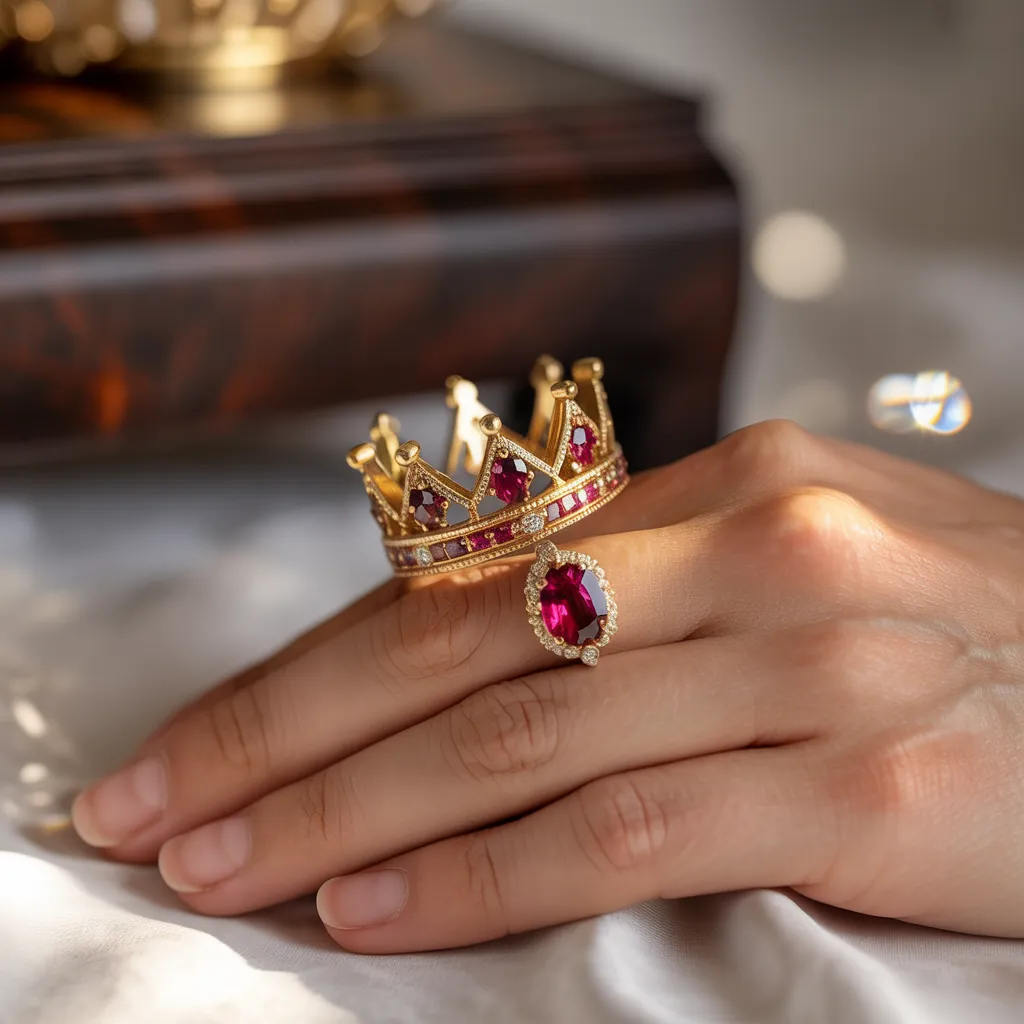
The Historic Significance of Diamonds in Royal Circles
All through history, diamonds have maintained profound significance for royalty, symbolizing power, wealth, and divine right. These gemstones, often associated with the heavens, were believed to possess protective and healing properties, further amplifying their allure for monarchs. In ancient civilizations, diamonds adorned crowns and scepters, serving as a display of the ruler's status and authority.
Throughout the Middle Ages, diamonds became increasingly popular among European aristocrats, often employed to symbolize alliances through marriage. Their rarity and beauty made them ideal gifts, strengthening bonds between powerful families. The Renaissance saw diamonds emerging as a symbol of eternal love, often featured in engagement rings for royalty.
While empires were expanding, diamonds were employed not only as decorative pieces but also as tools of diplomacy, exhibiting wealth and influence. This historical context illustrates the persistent connection between diamonds and the concept of royalty, solidifying their significance across diverse societies and historical periods.
India's Legendary Gems: The Golconda Diamonds
The Golconda diamonds hold a prominent place in India's rich history, famous for their unparalleled quality and beauty. Derived from the Golconda region, these gems have been connected to royalty and power for many centuries. Remarkable examples, such as the Koh-i-Noor and the Hope Diamond, further emphasize their legendary status in the world of gemstones.
Historic Importance of Golconda
Celebrated for their extraordinary beauty and historical significance, the Golconda diamonds have long captivated both collectors and historians. Hailing from the Golconda region of India, these diamonds were once the centerpiece of royal treasuries and served a vital role in the wealth of learn about this numerous dynasties. Their discovery in the 16th century represented a important chapter in the history of diamond mining, making India as the world's leading diamond source for centuries. The Golconda diamonds not only embellished the crowns and jewels of emperors but also exemplified power, prestige, and artistry. Their distinctive properties, including transparency and outstanding clarity, reinforced their legendary status and have left an enduring mark on the narrative of gemstones throughout history.
Prominent Golconda Diamonds
Though countless diamonds have seized public interest, scarcely any can compete with the allure of notable Golconda diamonds, which are celebrated for their exceptional size and rich history. The Hope Diamond, first mined in Golconda, is famous for its rich blue hue and tragic history, thought to bring misfortune to its possessors. The Koh-i-Noor, another legendary gem, has been included in royal collections in India and Britain, representing power and wealth. Likewise, the Cullinan Diamond, the largest gem-quality diamond ever unearthed, was discovered in South Africa but has connections to Golconda through its extraordinary cut and historic importance. These diamonds embody the Golconda region's legacy, showcasing the intersection of beauty, intrigue, and royal heritage.
The Hope Diamond: A Tale of Curses and Mystique
Featuring a striking blue hue, the Hope Diamond captivates, a quality that has captivated precious stone admirers for centuries. Its well-known history is distinguished by the calamities of various owners, prompting many to accept the existence of a curse linked to the diamond. Currently, this mysterious gem resides in the Smithsonian Institution, where it remains captivating to observers with its remarkable heritage.
Mysterious Sapphire Hue
A captivating gem, the Hope Diamond is famed not only for its remarkable blue hue but also for the legends of ill fate that surround it. This stunning color, a result of trace amounts of boron within its carbon structure, sets the diamond apart from others. The deep, vibrant blue sparkles with an ethereal quality, captivating all who view it. Its exceptional coloration has intrigued gemologists and historians alike, inspiring numerous studies to discover its origins. The diamond's allure goes beyond its beauty; it is also associated with a rich narrative filled with mystery and intrigue. The Hope Diamond embodies a blend of natural wonder and fabled tales, securing its place as one of the most iconic jewels in history.
Famous Property Owners' Troubles
Stories about the Hope Diamond are closely connected to the disasters of its infamous owners, each account adding to the gem's mystique. From its initial owner, Jean-Baptiste Tavernier, who experienced disaster after acquiring the diamond, to King Louis XVI and Marie Antoinette, whose lives finished in upheaval during the French Revolution, the gemstone appears to harbor an ominous weight. Later, American socialite Evalyn Walsh McLean faced heartbreaking losses and financial ruin, further maintaining the narrative of cursed destiny. Even after her ownership, the diamond's journey continued to be marked by adversity, pointing to a curse that has enchanted the imagination of scholars and collectors alike. The Hope Diamond remains a symbol of beauty, yet enveloped in dark tales of tragedy.
Current Display Location
Located in the National Museum of Natural History in Washington, D.C., the Hope Diamond fascinates visitors with its impressive blue hue and fascinating past. Showcased in a climate-controlled case, the diamond is highlighted to accentuate its distinctive color and clarity, capturing the attention of gem enthusiasts and casual observers alike. Adjacent interpretive panels tell its journey through history, from its origins in India to its well-known owners. The diamond is often linked to tales of curses and misfortune, bringing an air of mystique to its allure. As one of the museum's most treasured possessions, the Hope Diamond serves not only as a extraordinary geological specimen but also as a symbol of the complex narratives embedded in the fabric of royal diamonds.
The Koh-i-Noor: A Treasured Gem of Conflict and Triumph
Known as one of the most renowned diamonds in history, the Koh-i-Noor has become a symbol of both opulence and controversy. Its origins can be traced to India, where it was mined in the Golconda region, and it has transferred through various conquests over centuries. The diamond's name means "Mountain of Light," demonstrating its exceptional brilliance and significance in various royal collections.
The Koh-i-Noor's chaotic history involves being taken by Persian rulers and afterwards falling into the hands of British colonial forces during the 19th century. This transfer triggered debates over ownership, with many contending that it was acquired under duress. Currently, the diamond is among the British Crown Jewels, exhibited at the Tower of London, yet it remains a controversial artifact, with calls for its return to India reverberating in discussions about cultural heritage and colonial legacy. The Koh-i-Noor's story captures the complexities of power, ownership, and identity.
The Imperial State Crown: A Symbol of British Monarchy
The Imperial State Crown serves as a potent symbol of the British monarchy, embodying the lasting nature and power of the crown across the ages. Crafted in 1838 for Queen Victoria, this crown exemplifies the grandeur and tradition associated with British royalty. It is adorned with 2,868 diamonds, including the iconic Cullinan II diamond, which adds to its splendor. The crown displays a velvet cap and gold structure, representing the monarch's position as the head of state.
Traditionally worn during the State Opening of Parliament, the Imperial State Crown represents the monarch's bond to the nation and its governance. Its design reflects centuries of royal heritage, combining artistry with national identity. Each gemstone placed within the crown carries a unique story, contributing to its significance. As a result, the Imperial State Crown remains an enduring symbol of power, history, and the British monarchy's evolving legacy.
The Blue Heart Diamond: A Tale of Love, Betrayal, and Tragedy
While often admired for its stunning beauty, the Blue Heart Diamond carries a dark history interlaced with themes of love, betrayal, and tragedy. This remarkable gem, a vivid blue stone tipping the scales at 30.62 carats, was originally part of a collection held by the well-known French jewel thief, Jean-Baptiste Tavernier. Legend maintains that the diamond was cursed, bestowing misfortune to its bearers.
The diamond's most infamous tale centers around its acquisition by King Louis XIV of France, whose reign was characterized by extravagance and excess. After the king's death, the diamond went missing, only to resurface years later through a series of tragic events, including the execution of several noble owners during the French Revolution.
Ultimately, the Blue Heart Diamond symbolizes not just luxury, but also the tumultuous history and emotional distress of those who owned it, creating a legacy marked by love lost and dreams shattered.
The Crown Jewels of Various Nations: An Exhibition of Power and Prestige
Although countless nations feature extensive histories and cultural wealth, their crown jewels often emerge as the most powerful symbols of sovereignty and status. These magnificent collections, adorned with breathtaking diamonds and gemstones, convey narratives of sovereignty and tradition. For instance, the British Crown Jewels, kept in the Tower of London, include the celebrated Imperial State Crown, showcasing the Cullinan II diamond, a symbol of monarchical sovereignty.
Similarly, the Crown Jewels of Russia, particularly the Imperial Crown, demonstrate a abundant heritage entwined with the nation's tumultuous past. On the other hand, the crown jewels of Spain reflect the Spanish wide-ranging exploration and conquests, with pieces that demonstrate its wealth.
In each case, these jewels not only serve as ceremonial artifacts but also embody the legacies of dynasties, embodying the essence of national identity and pride. Therefore, crown jewels remain lasting symbols of both power and prestige across diverse cultures.
Frequently Asked Questions
How Do Different Cultures View Diamonds as Symbols of Power?
Diamonds embody power across cultures due to their rarity, durability, and brilliance. Historically associated with royalty and divine favor, they embody wealth, status, and strength, solidifying the idea of authority and influence throughout civilizations.
What Are History's Most Famous Diamond Heists?
Across history, renowned diamond heists consist of the 1911 stealing of the Imperial Fabergé eggs, the Hatton Garden heist of 2003, and the audacious Antwerp Diamond Heist of 2008, highlighting audacious planning and execution by professional criminals.
What Is the Grading Process for Diamond Quality and Value?
Diamonds are graded based on the Four Cs: Carat size, Cut, Color, and Clarity. Every element affects a diamond's complete value and grade, which appraisers and specialists carefully assess to calculate market worth.
What Is the Process of Cutting and Polishing a Diamond?
The process of cutting and polishing a diamond involves shaping the raw stone with precision tools, followed by meticulous polishing to enhance its brilliance, clarity, and overall appearance, thereby maximizing its market value and beauty.
Do Ethical Concerns Exist in Diamond Mining Today?
Absolutely, moral concerns surrounding diamond mining today include labor exploitation, environmental harm, and the funding of conflict. Numerous consumers seek ethically sourced diamonds to encourage ethical practices and sustainability throughout the industry.