The Comprehensive Guide to Picking the Right Tennis Bracelet
Selecting the ideal tennis bracelet involves careful consideration of multiple factors. From historic significance to modern styles, the choices can be intimidating. Understanding the materials and designs is vital for making an informed choice. Furthermore, determining the right fit and budget plays a vital role. As one navigates through these elements, the journey reveals more than just a piece of jewelry; it uncovers a lasting symbol of elegance and sentiment. What comes next may astonish you.
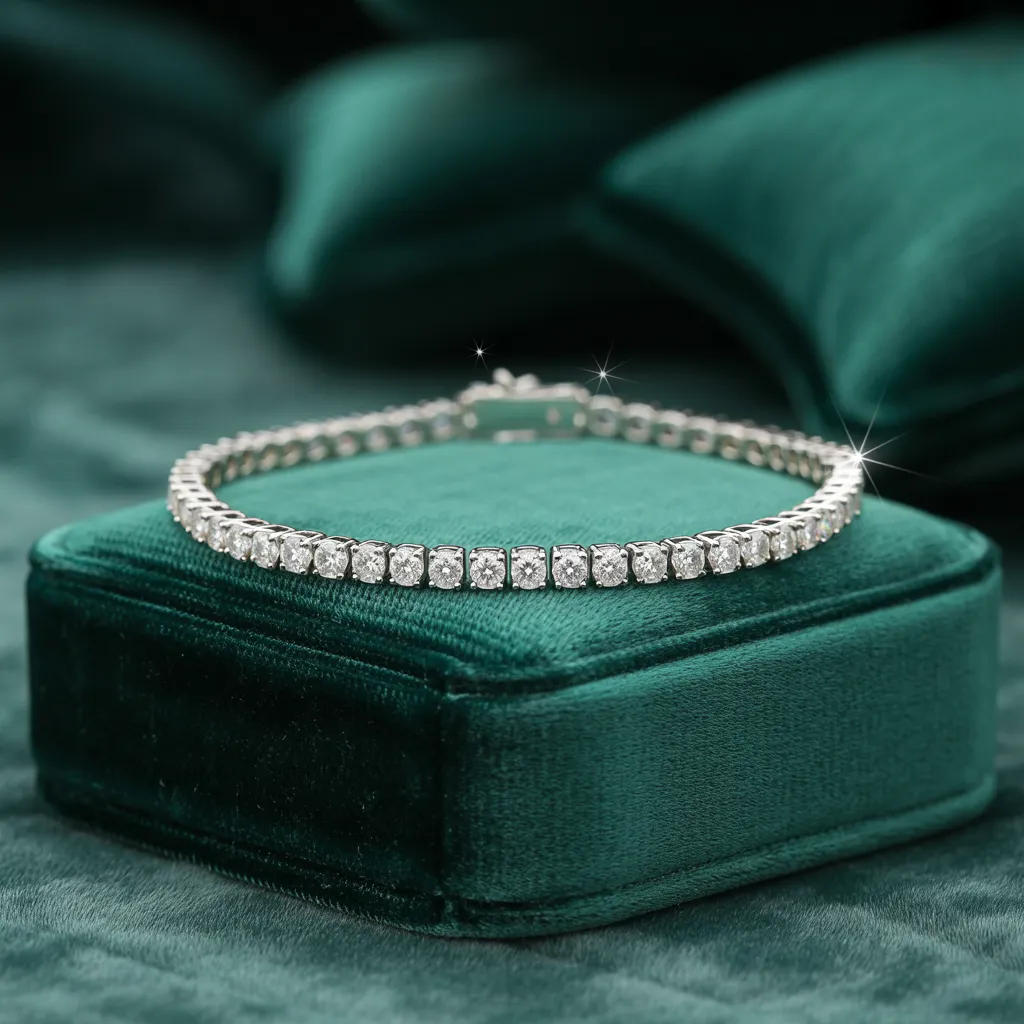
Discovering the History and Meaning of Tennis Bracelets
Tennis bracelets, recognized for their graceful style and classic allure, feature a compelling history that merges sports and opulence. The name "tennis bracelet" achieved recognition in the 1980s when renowned tennis athlete Chris Evert distinctively wore one during a match at the US Open. When her bracelet separated, the match was paused to search for it, gaining the attention of audiences and journalists equally. This incident solidified the bracelet's association with the sport and converted it into a stylish accessory.
From a symbolic perspective, tennis bracelets symbolize both grace and resilience. Their endless line of diamonds or gemstones symbolizes unbroken love and commitment, making them preferred choices for gifts on meaningful occasions. Over the years, these bracelets have evolved into a staple in jewelry collections, merging athleticism with sophistication. As a result, they have become much more than just sportswear; they represent a legacy of elegance and a celebration of eternal beauty.
Choosing the Best Materials: Diamonds vs. Gemstones
Picking the right materials for a tennis bracelet is essential in achieving the desired look and personal significance. Diamonds are the traditional choice, known for their brilliance and durability. They embody timeless elegance and sophistication, making them a preferred option for those seeking a luxurious statement piece. However, diamonds can be expensive, which causes some people to contemplate alternative materials.
Gemstones offer a dazzling array of colors and can showcase personal preference or birthstones, adding unique meaning to the bracelet. Choices like sapphires, emeralds, or rubies can create a stunning contrast against the metal, providing more creativity in design. While they may not possess the same level of hardness as diamonds, many gemstones can still be ideal for everyday wear with proper care. Finally, the choice between diamonds and gemstones relies on personal choices, budget, and the desired emotional connection to the piece.
Investigating Multiple Styles and Designs
How can you select the best style for a tennis bracelet? The options are many and can greatly influence the general aesthetic. Conventional designs generally feature a single row of diamonds or gemstones, providing a timeless elegance that suits both casual and formal occasions. For those wanting a modern twist, multi-row bracelets combine varied stone sizes and shapes, creating depth and intrigue.
A widely-used style includes the bezel setting, where each stone is surrounded by a metal frame, boosting durability while providing a current flair. Additionally, some designs feature mixed materials, such as gold or platinum, which can form a striking contrast with the stones.
One should also consider the color palette, as tennis bracelets are available in various hues, from timeless clear diamonds to colorful gemstones. Finally, individual preference and lifestyle will influence the selection of the most fitting style, providing a perfect match for any individual.
Determining the Right Length and Fit
Identifying the ideal length and fit for a tennis bracelet is crucial to guarantee both comfort and style. A well-fitted bracelet should wrap around the wrist without being too tight or loose, permitting easy movement. To establish the correct size, one can measure the wrist using a flexible measuring tape or a piece of string, noting the length and adding approximately half an inch for a comfortable fit.
Tennis bracelets usually range from 6.5 to 7.5 inches in length, catering to different wrist sizes. It is advisable to experiment with several lengths to find out which feels the most pleasant and looks best. Moreover, consider the bracelet's style; a more intricate style may call for a somewhat larger fit to make sure it drapes elegantly. Ultimately, the right length and fit should enhance the overall appearance while ensuring the comfort essential for regular use or special occasions.
Establishing Your Budget: Expected Outcomes at Multiple Price Ranges
Establishing a budget for a tennis bracelet demands an understanding of the different price ranges found in the market. Aspects such as materials, craftsmanship, and brand reputation significantly influence the overall cost. It is crucial to weigh the value against quality to make an informed decision.
Understanding Pricing Ranges
When setting a budget for a tennis bracelet, understanding the different price ranges is essential. Tennis bracelets typically range from $100 to over $10,000, depending on craftsmanship and materials. Lower-priced options often feature synthetic stones and simpler designs, appealing to cost-aware shoppers. Mid-range bracelets, usually priced between $500 and $2,500, often incorporate superior materials like sterling silver or gold plating with genuine gemstones. Premium bracelets, priced above $5,000, typically showcase premium materials like solid gold, platinum, and superior-grade diamonds. Shoppers should evaluate their preferences and desired quality when setting a budget, as well as the sentimental value of the purchase. This understanding helps streamline selections and ensures a suitable match for specific tastes and spending capacity.
Elements Affecting Cost
The cost of a tennis bracelet can vary greatly based on several key factors. To begin with, the type of metal used significantly affects the price; options vary from sterling silver to platinum. Next, the quality and size of the gemstones, most often diamonds, significantly affect the cost. Larger, higher-quality stones will elevate the price greatly. Furthermore, the craftsmanship and brand reputation are vital factors; established designers often charge higher prices for their pieces. Moreover, the total carat weight of the diamonds determines overall pricing, with heavier bracelets generally costing more. Last but not least, market trends and demand can also affect prices, making it important for buyers to determine a realistic budget according to these influencing factors before making a purchase.
Value versus Quality
Understanding the balance between value and quality is crucial for anyone planning to acquire a tennis bracelet. Price points for these bracelets can vary greatly, influenced by factors such as the materials used, craftsmanship, and brand reputation. Premium options often feature premium materials like diamonds set in solid gold or platinum, delivering exceptional quality and durability. Middle-tier choices may include sterling silver or gold-plated options, delivering a balance between related article affordability and quality. Affordable alternatives typically use synthetic stones or lesser-quality metals, which can reduce longevity. Finally, consumers should evaluate their priorities—whether it's the prestige of a luxury brand or the practicality of a more affordable piece—to guarantee they invest wisely without sacrificing on personal style or satisfaction.
Your Tennis Bracelet: Care and Maintenance Tips
Maintaining a tennis bracelet is crucial for preserving its longevity and beauty. Frequent cleaning, appropriate storage, and understanding potential damage risks are important practices for any owner. By adhering to these upkeep recommendations, one can be confident their bracelet remains as beautiful as the day it was bought.
Standard Cleaning Procedures
Preserving the radiance of a tennis bracelet demands consistent cleaning to stop dirt and oils from dulling its shine. It is advisable to clean the bracelet every few weeks, specifically if worn often. A soft solution of warm water and mild soap can be efficient; submerging the bracelet for a few minutes followed by a soft-bristled brush can help clear away stubborn grime. After cleaning, washing thoroughly with clean water is vital to get rid of any soap residue. Drying the bracelet with a soft, lint-free cloth ensures no moisture remains, which could lead to tarnishing. For added care, professional cleaning and inspection once a year can help maintain the quality and shine of the tennis bracelet, keeping its charm for years to come.
Safe Storage Practices
Storing a tennis bracelet appropriately is vital for preserving its brilliance and avoiding damage. It is advisable to place the bracelet in a plush pouch or a dedicated compartment of a jewelry box, ensuring it does not touch other pieces that may scratch or tarnish its surface. Additionally, one should not storing the bracelet in wet or humid environments, as moisture can cause tarnishing or degradation of the materials. If the bracelet features delicate stones, setting it in a padded container will give extra protection. Periodically inspecting the storage area for dust or debris can also help maintain the bracelet's appearance. By adhering to these safe storage practices, one can ensure the longevity and sparkle of a tennis bracelet.
Preventing Damage Risks
Proper care extends beyond safe storage practices to actively avoiding damage risks associated with wearing a tennis bracelet. To maintain its beauty and integrity, individuals should refrain from wearing the bracelet during physical activities or while swimming, since these settings may subject it to aggressive substances or possible collisions. Moreover, it is vital to evade exposure to moisturizers, scents, and cleaning solutions, which can discolor or diminish the metal and gemstones. Routinely examining the closure and prongs confirms that stones continue to be protected and stops loss. Cleaning the bracelet gently with a soft cloth after use helps remove dirt and oils, preserving its shine. By observing these basic instructions, one can increase the longevity of their valued tennis bracelet.
FAQ
How Can I Tell if a Tennis Bracelet Is Real?
To determine a tennis bracelet's authenticity, one should evaluate the craftsmanship, verify reputable brand markings, evaluate the quality of materials used, and consider securing a certification or appraisal from a recognized jeweler.
Can Tennis Bracelets Be Resized After Purchase?
Tennis bracelets are frequently resizable after purchase, according to the design and materials. A professional jeweler can evaluate the piece, determining whether changes can be implemented without damaging its quality or aesthetic appeal.
Which Events Are Best Suited for Wearing a Tennis Bracelet?
Tennis bracelets are ideal for formal occasions, candlelit dinners, and elegant gatherings. They transform casual outfits and add sophistication to important occasions, making them adaptable pieces that complement casual and formal wear alike seamlessly.
Are There Specific Insurance Coverage Options for Tennis Bracelets?
Multiple insurance choices are available for tennis bracelets, including jewelry-specific policies and homeowners or renters insurance that covers precious items. It's suggested to speak with an insurance agent to find the ideal coverage tailored to individual needs.
How Do I Choose Between a Vintage or Modern Tennis Bracelet?
Choosing between a vintage or modern tennis bracelet is based on personal style and preference. Vintage pieces often feature unique artistry and history, while modern designs may provide contemporary aesthetics and updated materials, appealing to different tastes.