Not known Facts About Tru-diamonds
The exact same carat weight size can look larger or smaller depending upon the cut and setting. Just how to Make the most effective Selection: Compare at least three various jewelry collections prior to buying. Try to find brand names that use excellent value and price. Read consumer assesses to see if the brand delivers on high quality and shimmer.
They consist of: Cut: How well the ruby mirrors light. Shade: The much less color, the much better. Quality: Fewer flaws suggest even more glimmer. Carat weight Dimension: The weight of the diamond. The cut of a ruby influences just how much it shines. A well-cut lab-grown ruby shows much more light and looks spectacular. Superb or Ideal Cut for the very best sparkle.
You don't need to overspend to get a beautiful diamond. Many lab-grown rubies provide outstanding worth contrasted to natural diamonds.
The Only Guide for Tru-diamonds

Ensures ruby high quality and credibility. Verifies the chemical composition matches a genuine diamond. You can get lab-grown diamonds either online or in a physical store.
In-Store Shopping: See the ruby ring, jewelry, or locket in person. Get professional advice on diamond quality. Do you desire an unique involvement ring or an unique diamond arm band?
Usage funding planssome shops supply 0% rate of interest if you pay in installments. Reviews aid you discover about diamond top quality, consumer solution, and total experience.
Lab-grown diamonds have the same glimmer, clearness, explore the facts and top quality as natural diamonds. They are made making use of the very same chemical composition and are optically the same.
What Does Tru-diamonds Do?
Lab-grown diamonds set you back 30-40% much less than natural ones. Lots of all-natural rubies come from extracted resources that may entail unjust labor. Lab-grown diamonds are conflict-free and ethically sourced.
Because they are made in a controlled setting, lab-grown rubies typically have much better quality than extracted ones. Numerous brand names currently offer trade-ins and resale choices for lab-grown diamonds. This makes them a cost-effective investment.
< From nitrogen to boron, the classification of ruby types clarifies the concealed science behind a diamond's color and credibility. When it comes to rubies, a lot of us are familiar with cut, shade, clearness, and carat weight. Those four qualities explain just how a diamond looks and assist determine its worth.
That system is called ruby typing. Ruby typing can sound technological, yet the idea is remarkably straightforward. According to the Gemological Institute of America (GIA), diamond type classifies rubies based upon their chemical make-up and atomic structure. More especially, the existence or absence of trace elements such as nitrogen or boron.
The Buzz on Tru-diamonds
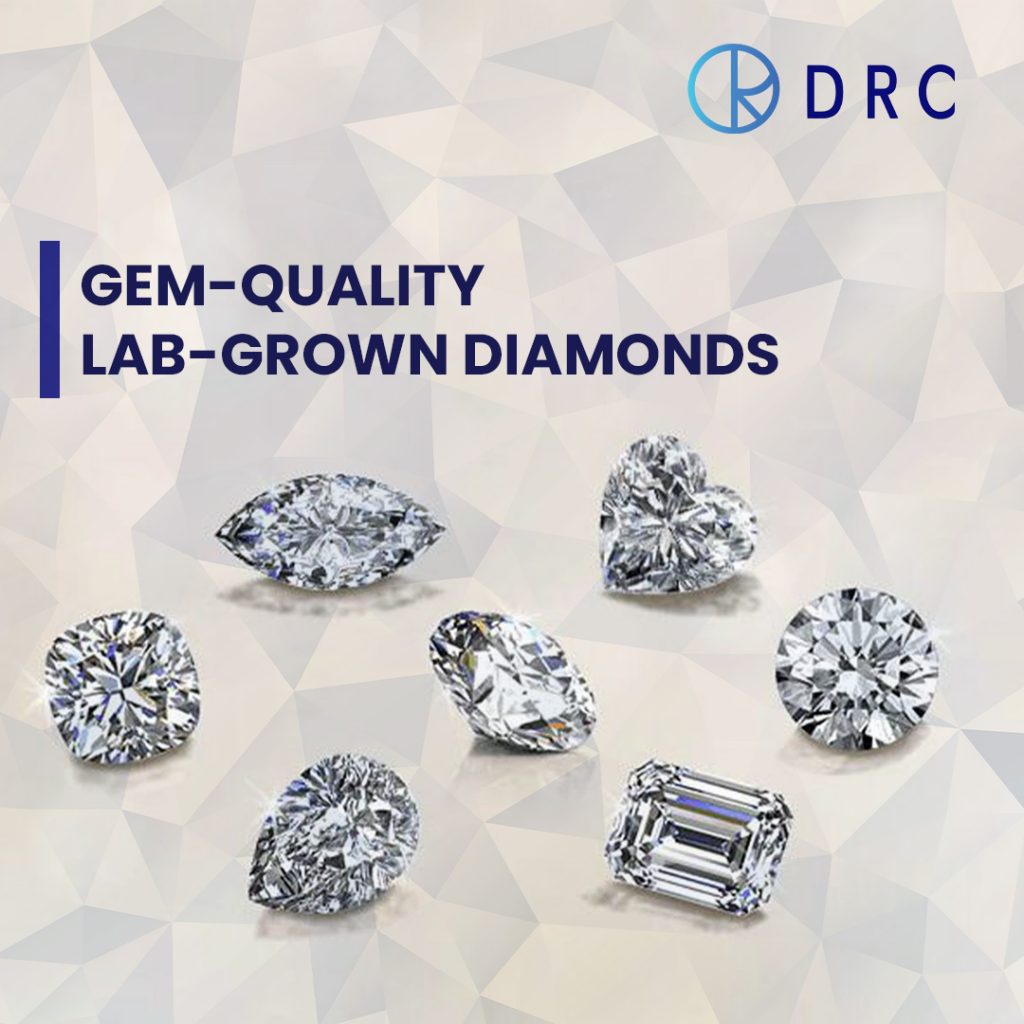
Yes! They look the very same. Prior to October 2025 Lab Grown and Natural Diamonds utilized specifically the exact same grading system and we refer to the primary qualities of both by utilizing the well recognized terminology of covered listed below. In 2025 the GIA revealed that from October 2025 they would certainly no more quality Lab Grown rubies using the exact same 4Cs system as Natural.
One more of the noticeable qualification bodies is the IGI who to the ideal of our knowledge at this time remain to utilize the 4Cs. For more as much as day info please browse through each of the web links over. If you're considering two graded rubies that have the same grading (eg.
Rubies over a particular size are extensively available with a certificate that notes every information of the ruby being acquired by the customer. Both options are readily available to supply confidence to our clients - True Diamonds United Kingdom. Whilst we support that genuine ruby is an All-natural Ruby from the planet, we would certainly be foolish to disregard the alternative discovered in Artificial Lab Expanded rubies especially as clients become extra aware of them and are ending up being more intentional regarding purchasing them
Tru-diamonds for Dummies
Transparency in our sector is of paramount significance and so we feel it is just best to comment on some of the combined messaging that is available on this subject. A Synthetic Laboratory Grown Diamond is significantly cheaper than a Natural Extracted Ruby. Natural rubies have a minimal supply whereas labs can generate an unlimited supply of the various other which continues to drive rates downwards.
As a consumer, you should not watch a Laboratory Grown Ruby as an investment as you are not likely to see much, if any type of return for your cash on the ruby in the future, though the rare-earth elements will likely have worth. Tru-diamonds. A Natural Ruby on the other hand might have some future value (though don't expect to recoup what you paid unless a rarer ruby somehow), and in some way keeps something unique having been formed in the earth rather than above ground in a factory someplace
It can be challenging to inform a genuine ruby from a fake one, specifically to the untrained and nude eye.